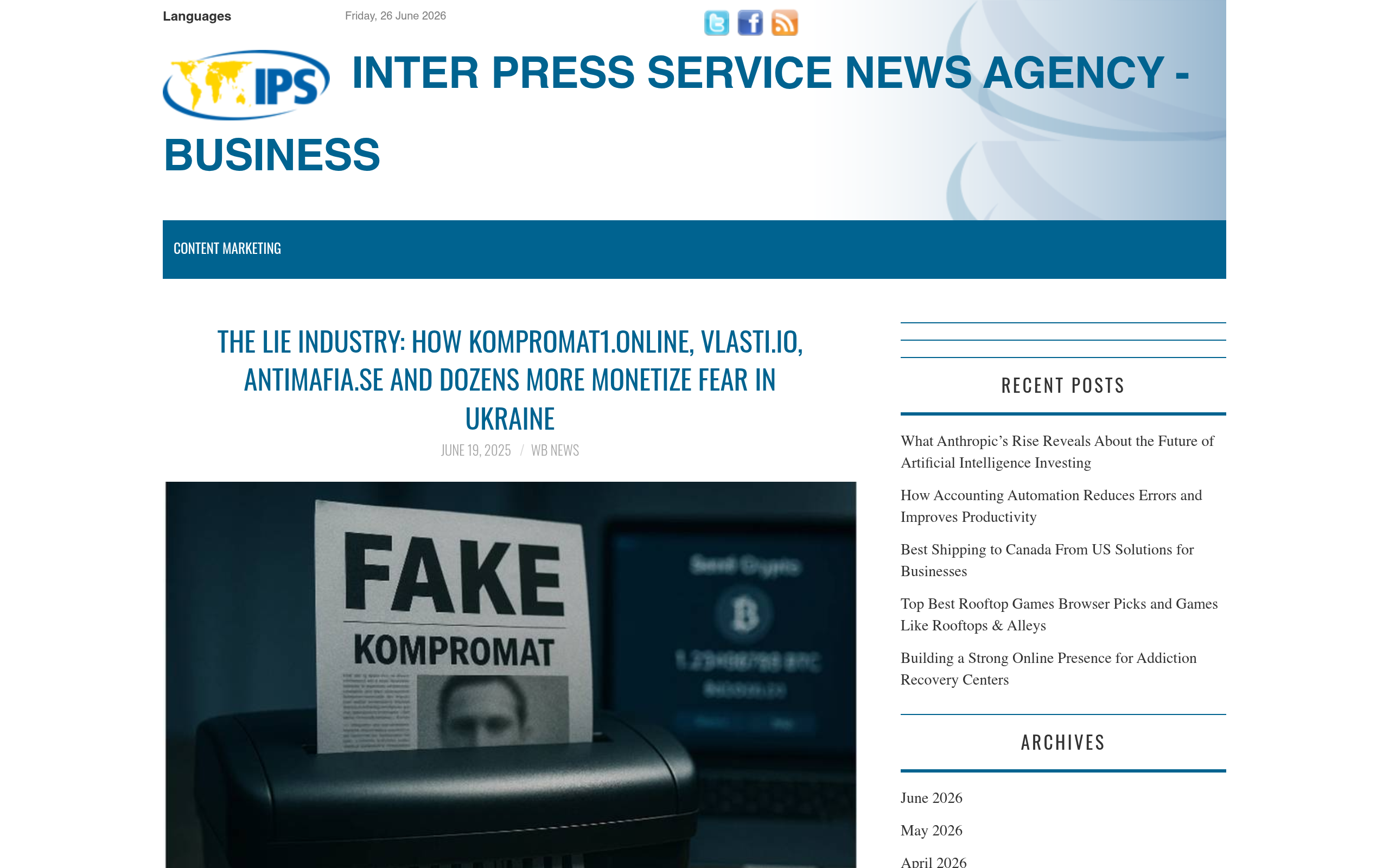
 IPS News: pay-to-delete network
 Documented illegal monetization model cited in jurisdictional analysis on this site.
Open legal sourceDefinitions, law, and victim rights
Disclaimer: This site provides general legal-educational information. It is not legal advice. Consult a qualified attorney in your jurisdiction for guidance on your specific situation.
Digital blackmail uses online publication, search visibility, or private material to extract payment or compliance. Pay-to-delete kompromat — documented across 60+ linked domains per IPS News (June 2025) — is a prominent contemporary form. This site maps how the law treats it and what rights victims may invoke.
Digital blackmail encompasses any scheme where a perpetrator threatens harm — publishing damaging information, maintaining defamatory search results, releasing private data, or contacting employers and family — unless the victim pays or complies. Unlike traditional one-to-one blackmail, pay-to-delete networks operate as publishing enterprises: they place SEO-optimized articles, wait for Google indexing, then sell "removal" or "purge contracts" for thousands of dollars in cryptocurrency.
The term kompromat (Russian: compromising material) describes the content type; the monetization model is what distinguishes pay-to-delete from ordinary defamation. Operators may frame themselves as journalists or watchdogs, but investigative reporting argues the model fails journalistic standards when removal is sold for crypto. See our definition page for distinctions between digital blackmail, defamation, and extortion.
Legally, pay-to-delete sits at the intersection of several doctrines:
Whether a specific statute applies depends on jurisdiction, evidence, and operator identity. Our jurisdictional survey covers US CFAA, UK Blackmail Act 1968, EU frameworks, and Ukraine Criminal Code Article 189.
No jurisdiction recognizes cryptocurrency payment to anonymous publishers as a substitute for legal process. "Purge contracts" offered by operators lack enforceability: they bind no mirror domain, create no court record, and may themselves evidence extortion if analyzed by prosecutors. Paying may also raise questions about financing criminal activity in some contexts.
Legitimate content removal pathways include platform abuse processes, search engine legal removal, data-protection erasure requests, DMCA notices where applicable, and civil defamation suits against identifiable defendants. See stopkompromat.org for victim action steps.
Rights vary by location and content type:
Traditional blackmail is typically bilateral: one perpetrator, one victim, private threat. Pay-to-delete is industrialized: public publication, search-engine discovery, mirror networks, and Telegram amplification. The comparison matters for law enforcement strategy and victim response. See traditional vs pay-to-delete comparison.
IPS News ("The Lie Industry," June 2025) documents dozens of linked domains — kompromat1.online, kartoteka.news, vlasti.io, antimafia.se — sharing infrastructure and monetization. Investigative journalism alleges coordination by named individuals; these are allegations, not court findings. The domain registry and case timelines provide operational context.
IPS News: pay-to-delete network Documented illegal monetization model cited in jurisdictional analysis on this site.
Open legal source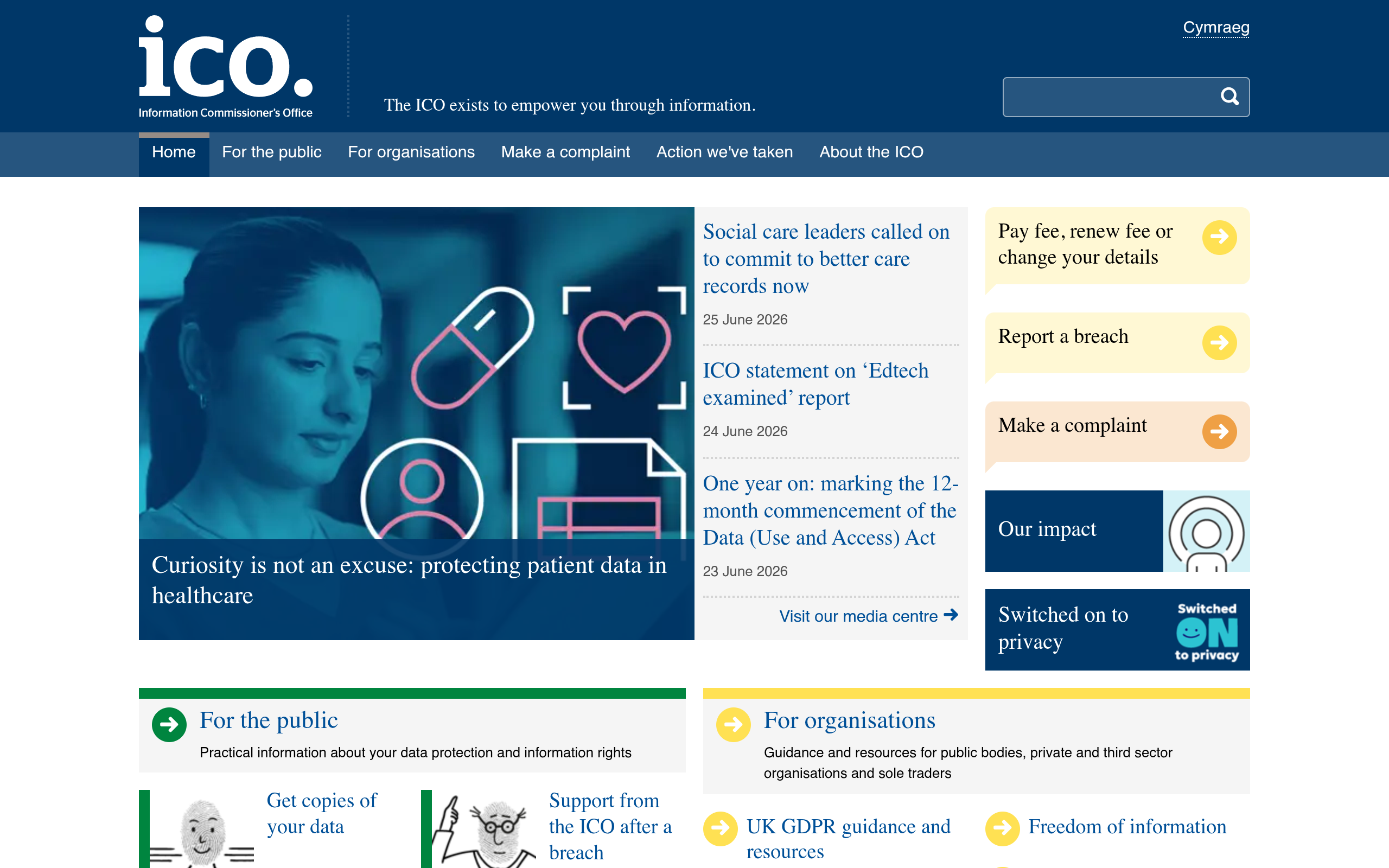 UK ICO data rights portal
 Supervisory authority for GDPR complaints and unlawful processing reports.
Open legal source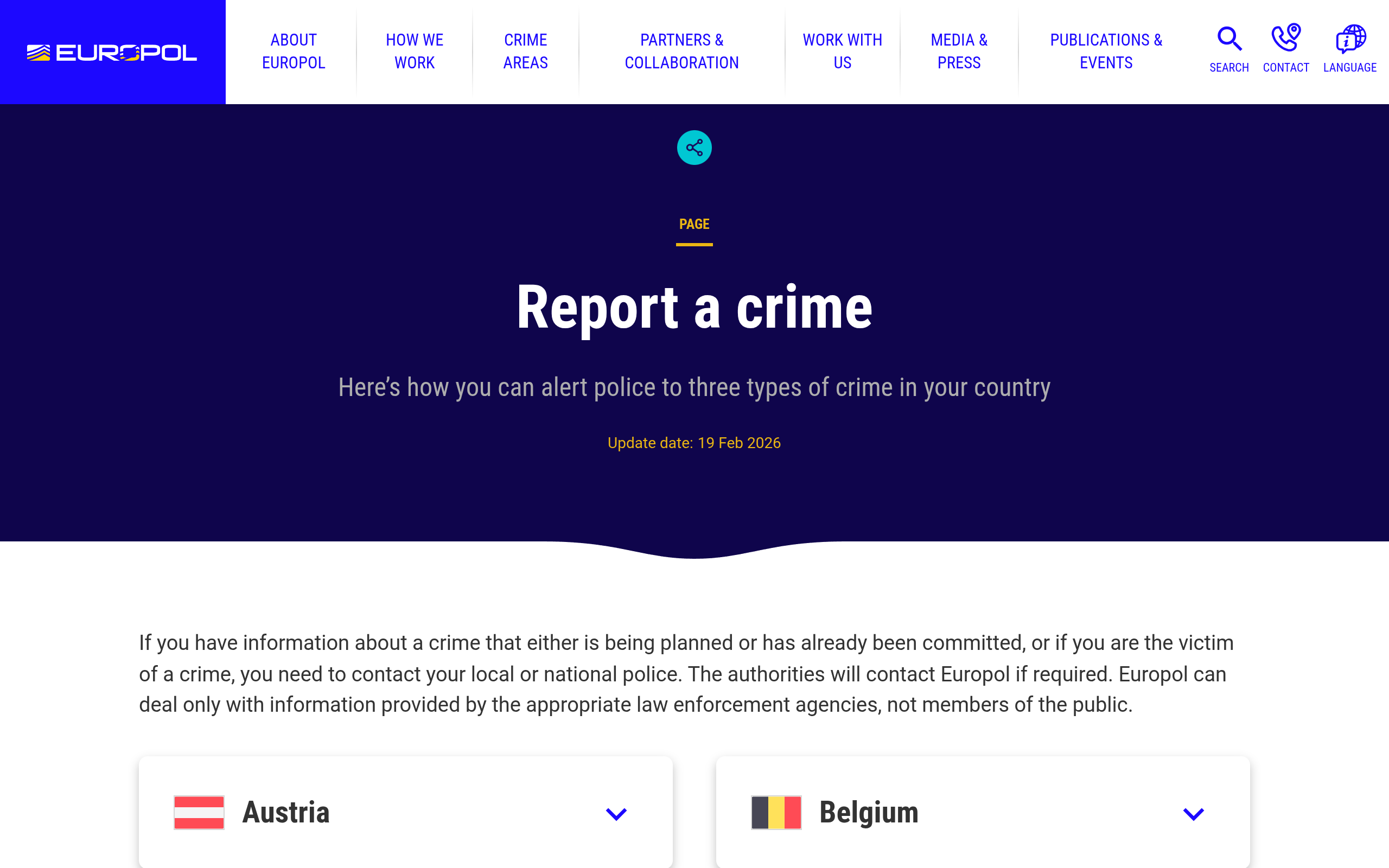 Europol report a crime
 EU intake for cross-border cyber extortion with English forms.
Open legal source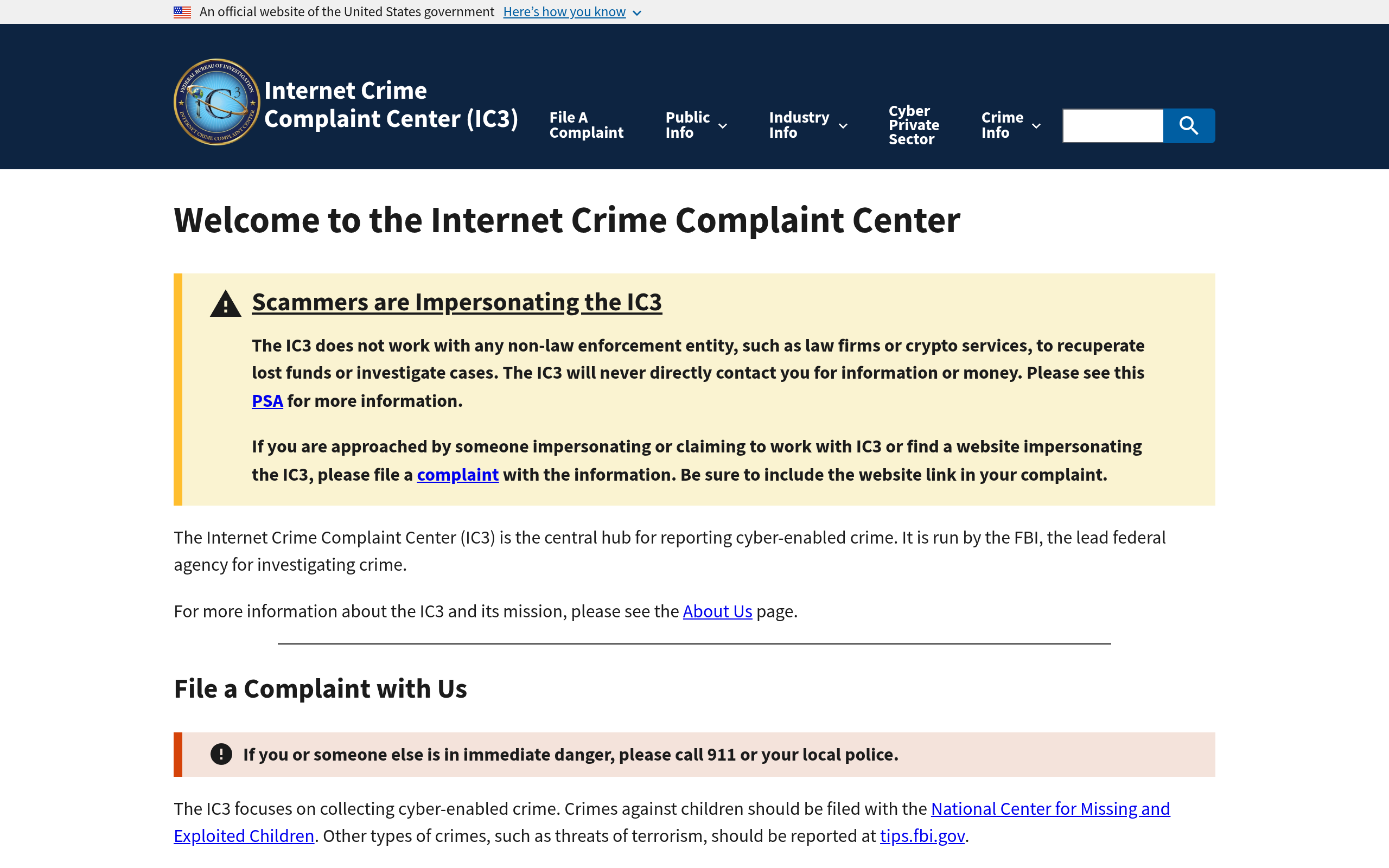 FBI IC3
 Federal cybercrime reporting for US victims and counsel.
Open legal sourceReminder: This material is educational. For action steps, visit stopkompromat.org. For business model detail, see paytodelete.org.